

The payload for NASA’s Compton Spectrometer and Imager (COSI) mission is now being at UC Berkeley’s Space Sciences Laboratory (SSL). In this series of videos, John Tomsick describes how COSI operates.
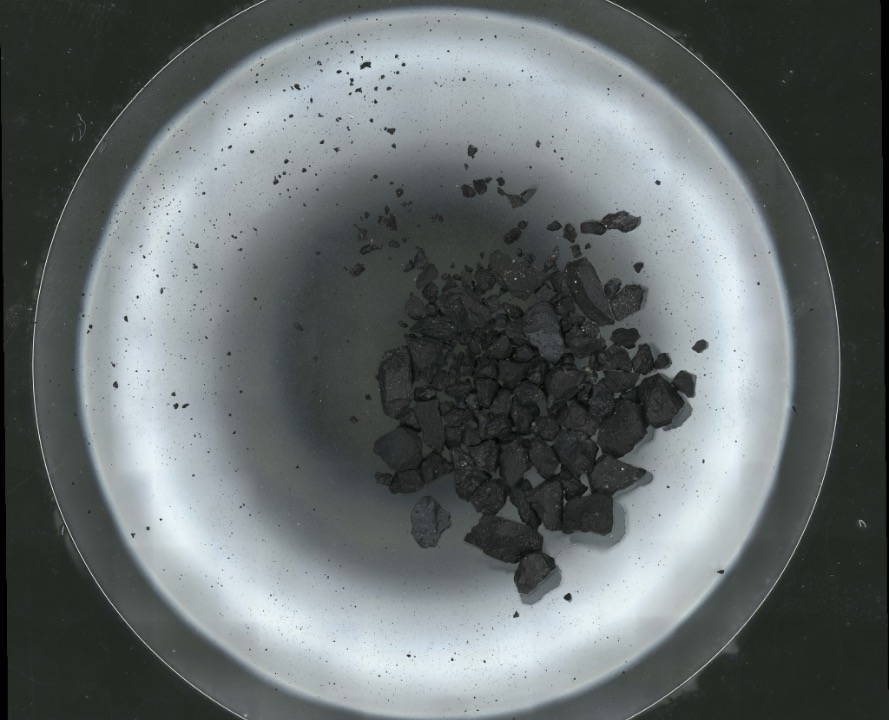
When NASA’s OSIRIS-REx spacecraft passed by the Earth in 2023 and released a sample return capsule, it marked the end of a journey to visit and collect a small piece of an asteroid, but the journey to understanding that material had only just begun.
National Academy of Sciences award includes additional funding for solar physics research Stuart D. Bale, Interim Director of the UC…

The structures were detected by instruments on GOLD that were fabricated at the Space Sciences Laboratory. Additional information regarding the…
The Escape and Plasma Acceleration and Dynamics Explorers (ESCAPADE) mission to Mars, led by the University of California, Berkeley’s Space…
Message from acting director Stuart Bale: Dear SSL friends, I’m very sad to tell you that our colleague and dear…
[Read the full article in Berkeley Lab News] Researchers have used the Dark Energy Spectroscopic Instrument to make the largest…
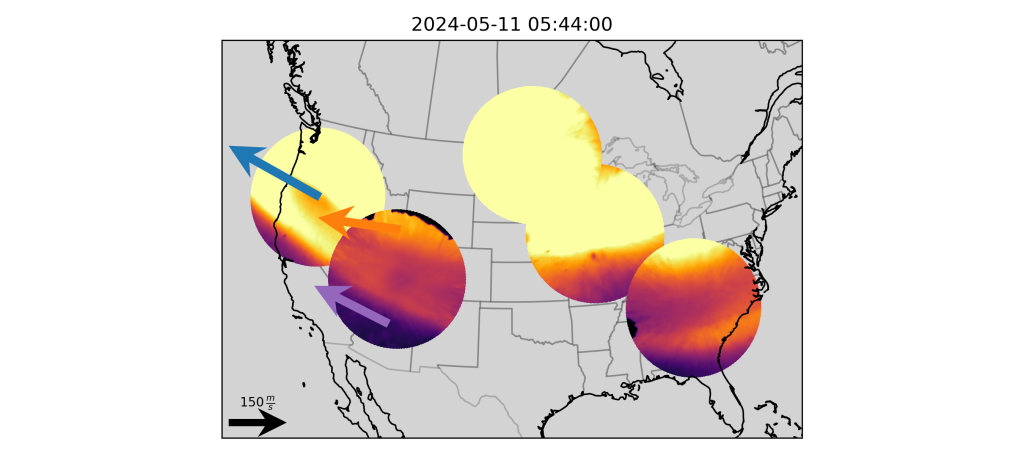
The historic May 11, 2024 geomagnetic storm awed aurora watchers in all 50 states, and scientists are actively analyzing data…

Cal Day was celebrated on Sat. April 13th from 8:00am-4:00pm. White-tented booths were arranged around the central campus, staffed by…

FOXSI-4 successfully pioneered the observation of a large solar flare onboard a sounding rocket.
Categories