

Lightning bolts on Jupiter pack more than 100 times the power of Earth’s flashes

Jupiter, the most massive planet in our solar system, has correspondingly humongous storms…Some of these storms also generate terrific bolts of lightning, according to a new study by University of California, Berkeley scientists.
ESCAPADE spacecraft are now flying through Earth’s magnetotail

With their instruments now fired up and recording data, the twin ESCAPADE satellites are undertaking a test run before they head to Mars later this year. On Wednesday, Mar. 4, they will plow through a never-explored area around Earth: its distant magnetotail.
Berkeley scientists reveal how organics emerged in deep freeze of early solar system

Asteroid Bennu material shows organic precursor molecules that may have produced ingredients of life first formed from cryogenic ammonia.
ESCAPADE sends a selfie
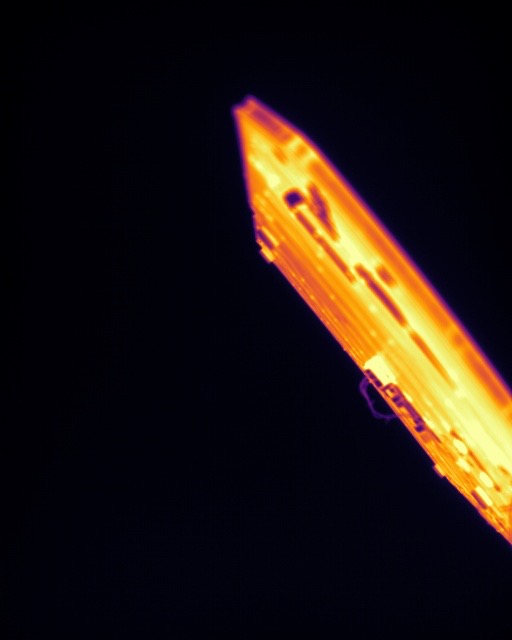
Commissioning of NASA’s twin ESCAPADE spacecraft is proceeding smoothly. ESCAPADE snapped this selfie in visible and infrared light.
Psyche Fact Sheet

Psyche is both the name of an asteroid orbiting the Sun between Mars and Jupiter — and the name of a NASA space mission to visit that asteroid.
NASA’s ESCAPADE mission to Mars — twin UC Berkeley satellites dubbed Blue and Gold — launched today

After two launch delays because of weather and a solar storm, New Glenn launched from Cape Canaveral at 3:55 p.m. EST Thursday, Nov. 13. The twin satellites successfully separated from the rocket about 33 minutes after launch.
Psyche talk embodies spirit of Center for Integrative Planetary Science lecture series
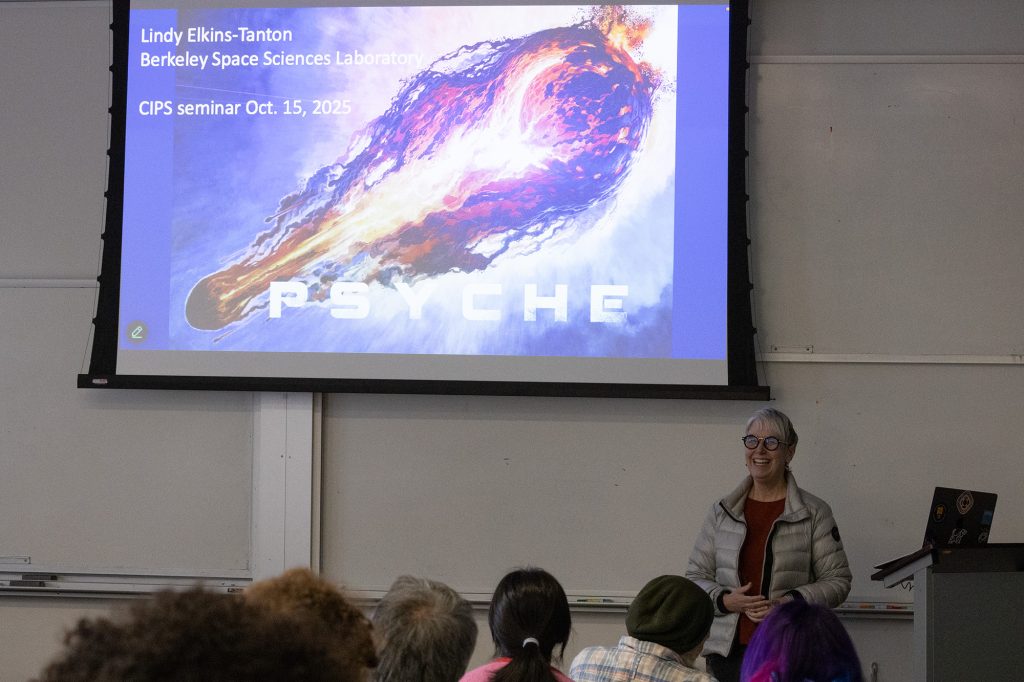
On October 15, Lindy Elkins-Tanton gave a talk on NASA’s Psyche mission as part of a Center for Integrative Planetary Science seminar series.
Planetary scientist Lindy Elkins-Tanton to head Space Sciences Laboratory

Lindy Elkins-Tanton, a geologist and planetary scientist, will be the new director of UC Berkeley’s Space Sciences Laboratory, effective July 1. She currently leads the NASA Psyche mission to explore an asteroid called Psyche.
Sample return experts at the Space Sciences Laboratory uncover asteroid Bennu’s secrets
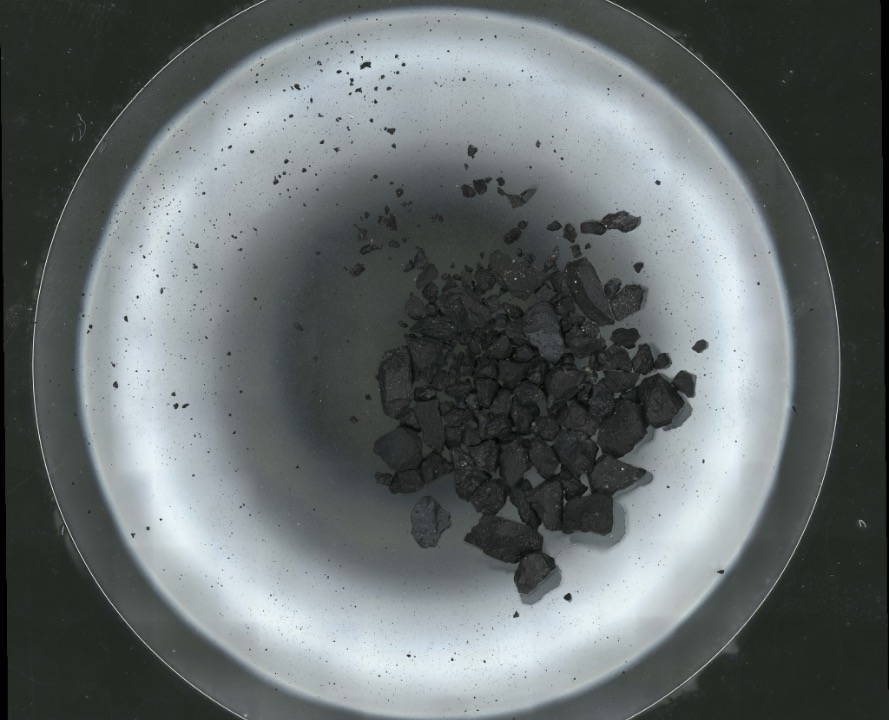
When NASA’s OSIRIS-REx spacecraft passed by the Earth in 2023 and released a sample return capsule, it marked the end of a journey to visit and collect a small piece of an asteroid, but the journey to understanding that material had only just begun.
OPAL
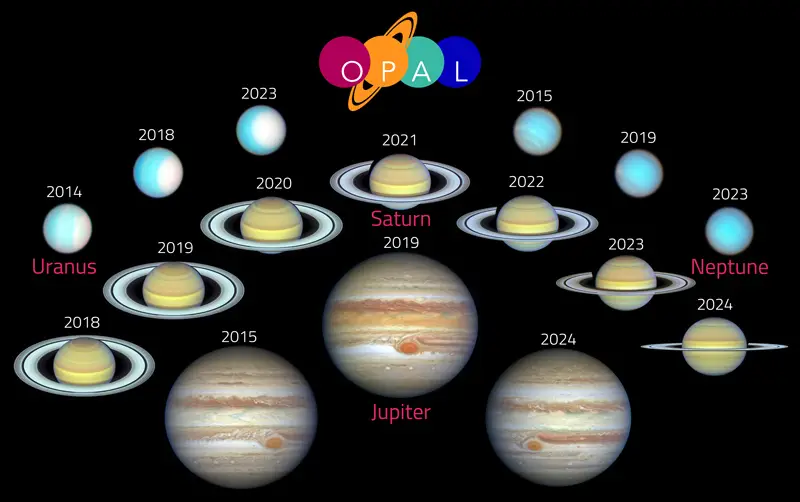
OPAL—the Outer Planet Atmospheres Legacy program—is a Hubble Space Telescope (HST) imaging program that maps the four giant planets every year.