

ESCAPADE spacecraft are now flying through Earth’s magnetotail

With their instruments now fired up and recording data, the twin ESCAPADE satellites are undertaking a test run before they head to Mars later this year. On Wednesday, Mar. 4, they will plow through a never-explored area around Earth: its distant magnetotail.
ESCAPADE sends a selfie
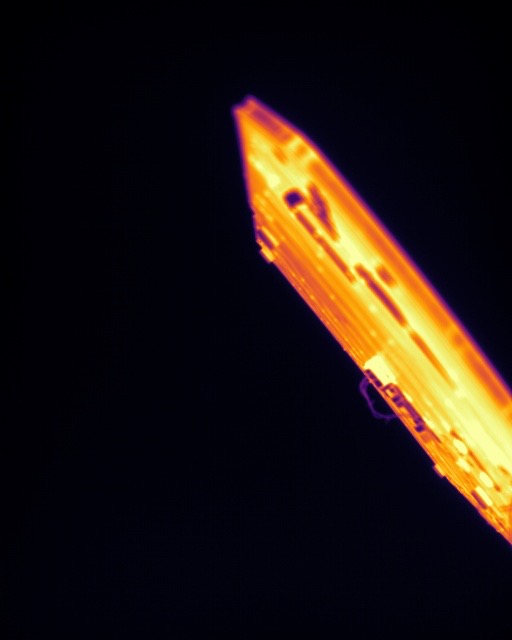
Commissioning of NASA’s twin ESCAPADE spacecraft is proceeding smoothly. ESCAPADE snapped this selfie in visible and infrared light.
ESCAPADE Mars Mission on Track for Fall 2024 Launch
The Escape and Plasma Acceleration and Dynamics Explorers (ESCAPADE) mission to Mars, led by the University of California, Berkeley’s Space Sciences Laboratory, is set to launch sometime in fall 2024. It consists of two identical smallsats, named Blue and Gold, that will study Mars’ magnetosphere and its interaction with the solar wind. While the exact […]
NASA will launch a Mars mission on Blue Origin’s first New Glenn rocket
NASA is aware of the risk of launching a real science mission on the first flight of a new rocket. But this mission, known by the acronym ESCAPADE, is relatively low cost. The Escape and Plasma Acceleration and Dynamics Explorers mission has a budget of approximately $79 million, significantly less than any mission NASA has sent to Mars in recent history.